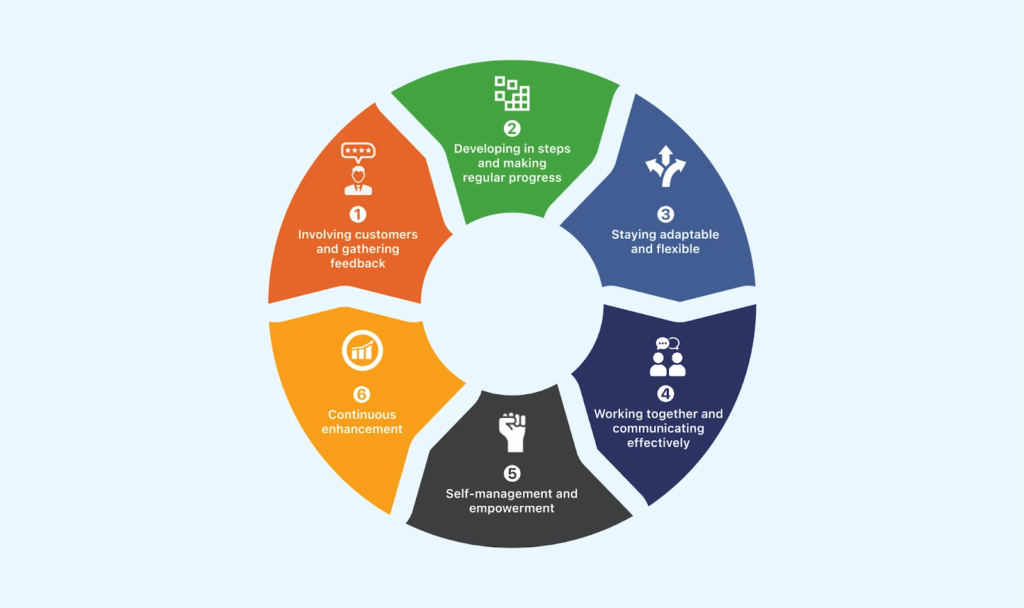
Agile methodologies have transformed how businesses manage projects and processes, adapting to rapid technological advancements and changing market dynamics. This approach prioritises flexibility, collaboration, and customer satisfaction, allowing teams to respond quickly to evolving requirements. As we look toward 2025, Agile methodologies are expected to become even more integral to enhancing efficiency and fostering innovation across various sectors. The emphasis on iterative development and continuous feedback improves project outcomes and cultivates a culture of adaptability within organisations.
Enrolling in a business analyst course in Kolkata is crucial for professionals aiming to excel in this dynamic environment. Such programs equip aspiring analysts with the essential skills to navigate the complexities of Agile frameworks and practices. Through hands-on training and real-world case studies, participants learn how to effectively analyse business needs, define project requirements, and facilitate stakeholder communication. By mastering these competencies, they position themselves as valuable assets to organisations seeking to implement Agile methodologies successfully. Ultimately, investing in a business analyst course in Kolkata can pave the way for career advancement, ensuring professionals remain competitive and well-prepared for the future landscape of business analysis.
The Rise of Hybrid Agile Approaches
As Agile methodologies continue to evolve, a notable trend is the increasing adoption of hybrid approaches in project management. By 2025, businesses are expected to blend Agile principles with traditional frameworks like Waterfall to effectively tackle complex projects that require a combination of structure and flexibility. This hybrid approach enables organisations to retain the benefits of established methodologies while capitalising on Agile’s adaptability and responsiveness to change.
By integrating both methods, firms can enhance project planning and execution, allowing for more comprehensive risk management and better alignment with stakeholder expectations. Agile’s flexibility facilitates iterative development and continuous feedback, while Waterfall’s structured nature provides clear timelines and deliverables.
Enrolling in business analyst classes is essential for professionals looking to thrive in this dynamic landscape. Such courses offer valuable insights into the nuances of hybrid project management methodologies, equipping participants with the skills necessary to apply these concepts in real-world scenarios. Through practical training and case studies, students learn how to analyse business needs effectively, communicate with stakeholders, and implement hybrid strategies that optimise project outcomes. This knowledge will position them as valuable assets in organisations navigating the complexities of modern project management.
Increased Focus on Agile at Scale
Agile methodologies were originally designed for small, nimble teams, but as businesses grow and evolve, there is an increasing need for Agile practices at the enterprise level. By 2025, a significant emphasis will be placed on scaling Agile across large organisations, reflecting the complexities and demands of modern business environments. This shift necessitates advanced techniques and frameworks, such as the Scaled Agile Framework (SAFe) and Large-Scale Scrum (LeSS), specifically tailored to manage large teams and intricate projects effectively.
Scaling Agile involves adapting Agile principles to larger teams and ensuring alignment across departments and functions. It requires a comprehensive understanding of facilitating collaboration, maintaining communication, and ensuring that all stakeholders are engaged in the process. These frameworks provide a structured approach to overcoming the challenges of scaling Agile practices.
Enrolling in business analyst classes is crucial for professionals aiming to excel in this evolving landscape. Such courses offer in-depth knowledge of these advanced frameworks and practical insights into their implementation. By applying these concepts effectively, analysts will be better equipped to manage scaled projects efficiently, ensuring that organisations can leverage Agile methodologies to drive innovation and enhance performance.
Integration of AI and Automation in Agile
Another significant trend anticipated by 2025 is the integration of Artificial Intelligence (AI) and automation into Agile workflows. As organisations seek to enhance efficiency and productivity, AI-powered tools will be crucial in automating repetitive tasks, streamlining project management processes, and providing valuable data-driven insights. This integration will enable teams to make informed decisions rapidly, ultimately improving overall project outcomes.
AI technologies can analyse vast amounts of data, offering predictive analytics that help project managers anticipate challenges and adjust strategies proactively. Additionally, automation can eliminate mundane tasks such as reporting and scheduling, allowing team members to focus on higher-value activities that require creativity and critical thinking. This shift enhances project delivery speed and improves accuracy by minimising human error.
Enrolling in a business analyst course is essential for professionals aiming to stay competitive in this evolving landscape. Such programs will equip participants with the knowledge and skills to effectively leverage AI tools within Agile frameworks. By understanding the impact of these technologies on Agile practices, analysts will be better prepared to implement solutions that enhance collaboration, drive efficiency, and ultimately lead to successful project delivery in an increasingly automated world.
Emphasis on Continuous Learning and Improvement
Continuous learning and improvement are core principles of Agile, and this focus will only intensify by 2025. Agile teams increasingly prioritise skill development and adaptability to keep up with technological and market shifts. Business analysts must stay updated with the modern Agile trends and tools, making a business analyst course a critical investment for career growth and success.
In conclusion, by 2025, Agile methodologies will continue evolving, driving significant changes in business analysis. Staying informed and trained through a business analyst course will ensure professionals can navigate this evolution effectively.
BUSINESS DETAILS:
NAME: ExcelR- Data Science, Data Analyst, Business Analyst Course Training in Kolkata
ADDRESS: B, Ghosh Building, 19/1, Camac St, opposite Fort Knox, 2nd Floor, Elgin, Kolkata, West Bengal 700017
PHONE NO: 08591364838
EMAIL- enquiry@excelr.com
WORKING HOURS: MON-SAT [10AM-7PM]