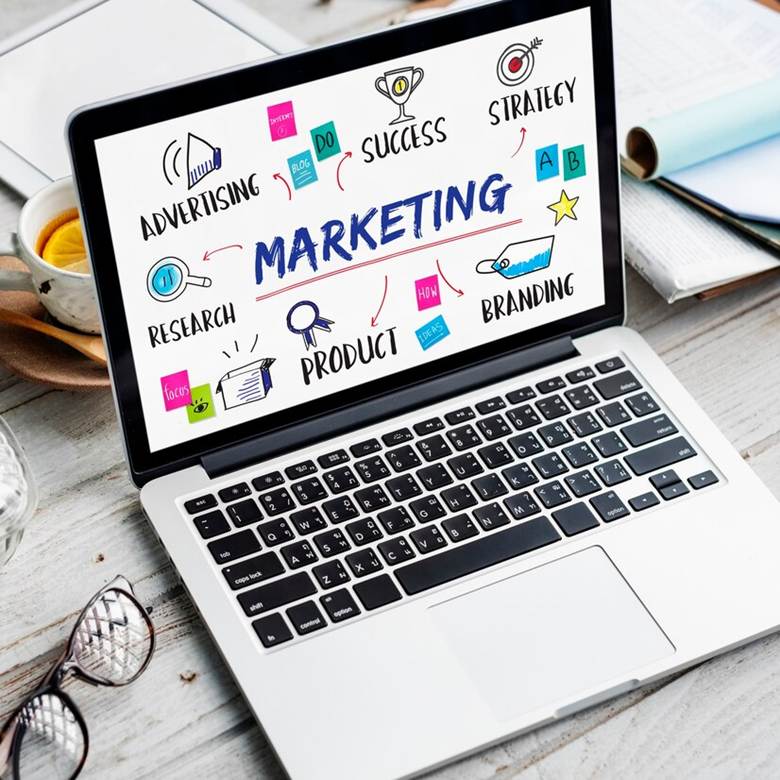
The online marketing landscape is big, and there are several tools that claim to improve your business’s online presence. The challenge of choosing the right tools can be huge, especially if you are a small business owner, entrepreneur, or marketer. When there are so many options, how do you decide on the effective ones that can give you true value for money?
This guide will simplify the criteria to help you find the ideal online marketing tools, and we will also share some of the best solutions.
Understanding Your Needs
We need to learn a little bit before we get into the list of tools: amber in what you need for your business. Ask yourself:
- What are my marketing goals? (For example: to increase website traffic, generate more leads, be more engaging, boost brand awareness, etc.)
- What is my budget? (Need free tools or paid solutions?)
- Which marketing channels do I want to target? (SEO, Media Social, Marketing Send Email, PPC, etc.)
- Am I looking for an all-in-one tool or dedicated solutions?
- How do I stack up in terms of technical ability? Do I need tools that are easy to use, or am I fine with built-in functions?
When you know these numbers, then you will find options that fit into your criteria. 5App serves as a testing ground for various digital marketing tools so you can see the full functionality of each one — and essentially see what works better for your business.
Key Features to Look for in Online Marketing Tools
Here are some must-have features in online marketing tools that you should keep in mind while choosing:
1. Ease of Use
- An easy-to-use interface makes it easy for you to start and run a campaign.
- Search for tools that come with an easy-to-understand dashboard and simple guidelines.
2. Integration Capabilities
- Consider whether or not the tool works with other software you use (such as a CRM and/or email platforms and/or analytics, etc.).
- The seamless integration aids in enhancing the workflow efficiency.
3. Analytics & Reporting
- The tool needs to provide insight and data tracking to evaluate performance.
- Find tools that include in-the-moment analytics, A/B testing, and conversions.
4. Scalability
- When you grow your business, your marketing needs become different.
- Select tools with the potential for upgrades and scalability features.
5. Customer Support & Community
- For troubleshooting issues, reliable customer support is essential.
- Look for live chat, email support, and community/forum.
6. Pricing & Value for Money
- Check the pricing plans and see if the features are worth it.
- Search for free trials or demo versions prior to signing up for a one-plan price.
Top Online Marketing Tools by Category
Now, let’s see a few good tools under each marketing category:
1. SEO (Search Engine Optimization)
- SEMrush—All-in-one SEO tool suite for keyword research, backlink analysis, and competitive research.
- Ahrefs—Awesome for backlinks, keywords with search interest, and tracking rankings.
- Moz Pro—One of the best for deep SEO insights with a user-friendly interface.
- Google Search Console — A free tool for checking how your website is performing in Google search results.
2. Social Media Marketing
- Buffer—A multi-platform social media scheduling and analysis tool.
- Hootsuite — A complete social media management tool for scheduling, monitoring, and analytics.
- Canva — A design tool for engaging social media graphics.
- Sprout Social—Features social listening, analytics, and engagement.
3. Email Marketing
- Mailchimp—It is popular for its user-friendly nature and automation features.
- ConvertKit – For bloggers and other content creators with lots of automation and tagging.
- AWeber—Provides an excellent email marketing solution with high deliverability rates.
- ActiveCampaign — Offers robust automation and CRM capabilities
4. PPC (Pay-Per-Click) Advertising
- Google Ads—The ultimate tool for running Pay Per Click campaigns on the Google search and display network.
- Facebook Ads Manager — tool for creating and running ads on Facebook and Instagram
- AdStage—Tool to automate and optimize PPC campaigns across multiple platforms.
5. Content Marketing & Blogging
- WordPress — A very popular blog and website management platform.
- Grammarly — An AI-based writing assistant that can help you improve content quality.
- BuzzSumo — Find trending content and analyze what works for your competitors.
- The name of the plugin—Yoast SEO—a WordPress plugin that will help you optimize blog posts for the search engines
6. Marketing Automation & CRM
- HubSpot—Marketing automation, email marketing, and CRM solutions.
- Marketo—A strong solution for automation and lead nurturing
- Salesforce—A well-known CRM with powerful marketing automation features used worldwide.
7. Analytics & Tracking
- Google Analytics—Free required website traffic and visitor behavior monitoring
- Hotjar—Offers heatmaps and session recordings to see how users are interacting.
- Kissmetrics—Emphasis on analytics and insights by customer journey.
How to Choose the Best Tool for Your Business
Step 1: List Your Priorities
Compile a list of non-negotiables and review how the various tools stack up against your requirements.
Step 2: Try Free Trials & Demos
A lot of online marketing tools availability comes with free trials. Use them for usability and effectiveness testing.
Step 3: Read Reviews & Case Studies
Look for user reviews on sites such as G2, Capterra, or Trustpilot to find views from the field. 5App is also a great platform to get expert reviews and comparisons of the different tools.
Step 4: Evaluate Long-Term Value
Do not simply choose the cheapest tool available but rather consider scalability and how it is going to benefit your business in the long term.
Step 5: Choose and measure performance.
After selecting a tool, measure its performance and see if you need to do some adjustments.
Conclusion
The most important thing for any business growth is choosing the right online marketing tools. Understanding the critical needs you want assistance with, evaluating features across prospects, and trying out tools for a period of time are ways you can make an informed choice in line with your marketing strategy before you sign on the dotted line. The right tools will maximize the efficiency needed in each vertical, whether that is SEO, social media, email marketing, or automation.
For a list of well-researched best marketing tools, you should go to 5App, where you will get up-to-date reviews and research so that you can find the best tools for your business.