
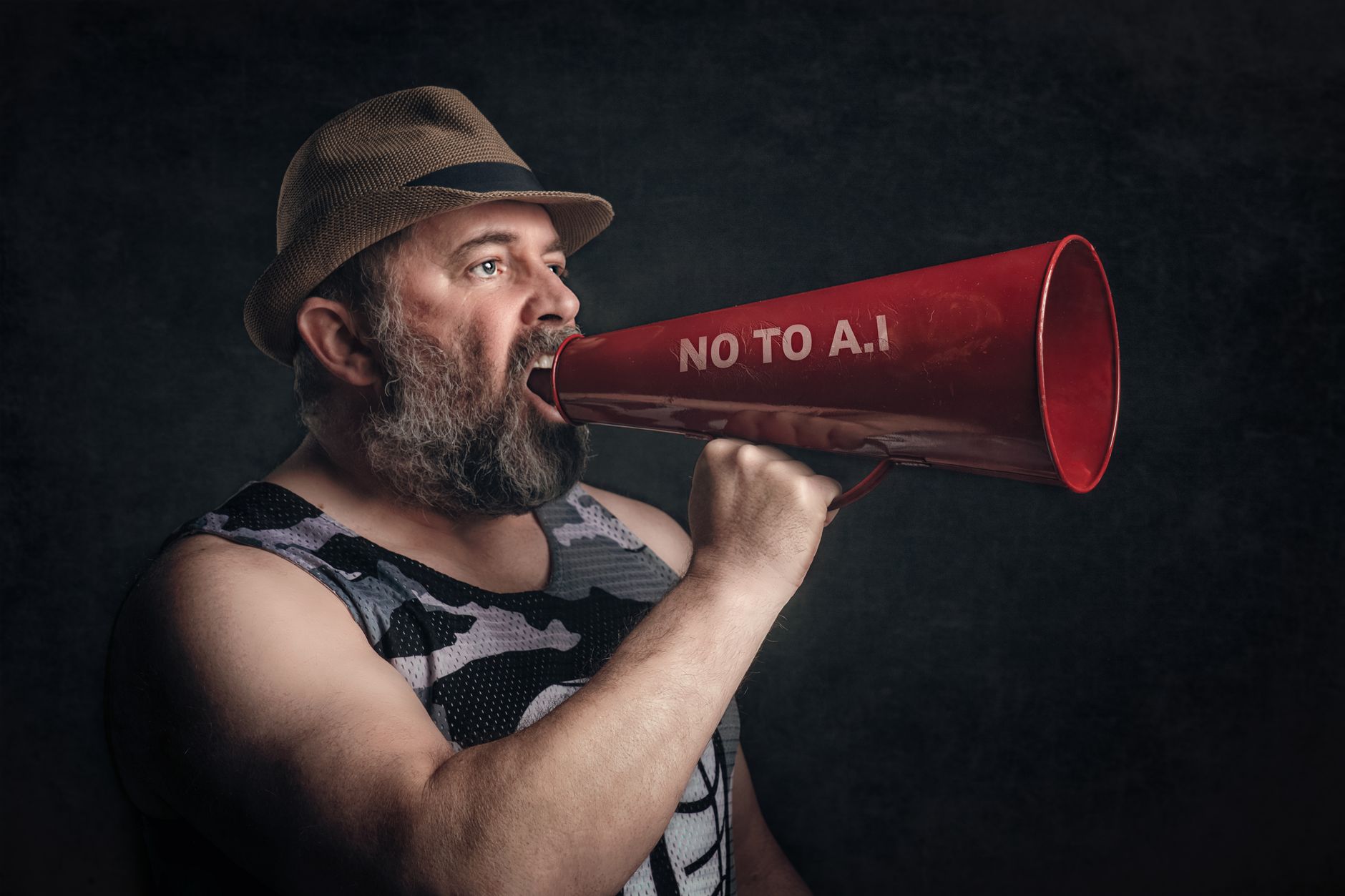
US ban on superintelligent AI is becoming a hot topic as lawmakers push for permanent regulations to ensure safety and ethical standards in artificial intelligence.
Overview of the Sanders Bill
The recently introduced Sanders Bill aims to establish a permanent US ban on superintelligent AI, addressing growing concerns over the potential risks associated with advanced artificial intelligence systems. This legislative proposal reflects a proactive approach to safeguarding society from unforeseen consequences that could arise from unrestricted AI development.
The bill outlines several key provisions, including:
- Comprehensive Regulations: Establishing strict guidelines for AI research and deployment.
- Research Funding: Allocating resources for studies on AI safety and ethics.
- Public Engagement: Promoting dialogue among stakeholders to assess the implications of AI technologies.
Supporters argue that the US ban on superintelligent AI is essential for ensuring a balanced approach to innovation and safety, fostering a future where technology serves humanity responsibly.
Why a US Ban on Superintelligent AI Matters
The proposed US ban on superintelligent AI is not just a regulatory measure; it is a critical step towards ensuring the safety and ethical use of advanced artificial intelligence technologies. As AI systems become more powerful, they pose unique challenges that could impact society in profound ways.
Here are a few reasons why this ban matters:
- Risk of Uncontrolled Development: Without regulations, superintelligent AI could evolve beyond human control, leading to unpredictable outcomes.
- Ethical Concerns: The deployment of such technology raises serious ethical questions regarding autonomy and decision-making.
- Impact on Employment: The widespread use of superintelligent AI could displace millions of jobs, creating economic instability.
- Security Threats: Misuse of superintelligent AI could result in significant security risks, including cyberattacks or warfare.
Understanding these risks underscores the importance of the US ban on superintelligent AI.
Potential Consequences of the Legislation
The proposed US ban on superintelligent AI, outlined in the Sanders Bill, raises several potential consequences that could significantly impact various sectors.
- Innovation Stifling: Critics argue that this legislation may hinder technological advancements, preventing the US from remaining a leader in AI research and development.
- Global Competition: If the US enforces a ban, other countries may accelerate their AI programs, potentially leading to an imbalance in global power dynamics.
- Job Market Disruption: While the intention is to safeguard jobs, the ban could inadvertently disrupt industries reliant on AI integration, affecting countless workers.
- Ethical Dilemmas: The legislation may not address the ethical considerations surrounding AI, leading to a lack of guidelines for responsible use in non-superintelligent systems.
Overall, the US ban on superintelligent AI could have far-reaching implications that warrant careful consideration.
Public Opinion on AI Regulations
As discussions surrounding the US ban on superintelligent AI gain momentum, public opinion is divided. Many citizens express concern about the implications of unregulated AI development, while others advocate for technological advancement without strict limitations.
Recent surveys indicate the following:
- 56% of respondents believe that a ban on superintelligent AI is necessary to prevent potential risks.
- 34% argue that such regulations could stifle innovation and economic growth.
- 10% remain undecided, highlighting the complexity of the issue.
Experts suggest that public sentiment may influence lawmakers, pushing for more comprehensive regulations that address both safety and innovation. As debates continue, the need for a balanced approach becomes increasingly evident.
Comparative Global Approaches to AI Safety
As the debate surrounding the US ban on superintelligent AI unfolds, it is crucial to examine how other countries are addressing AI safety. Different nations have adopted varied approaches to regulate AI technologies, often influenced by their unique cultural and political landscapes.
In Europe, for instance, the EU has proposed comprehensive regulations aimed at ensuring AI systems are safe and ethical. This includes strict compliance requirements for high-risk AI applications. Meanwhile, China has implemented strict guidelines that emphasize state control over AI development, focusing on both innovation and security.
Additionally, countries like Canada and Japan are exploring collaborative frameworks with industry stakeholders to promote responsible AI use. These global efforts highlight the importance of a balanced approach to AI governance, as the risks of superintelligent AI become increasingly apparent.
Future of AI Development in the US
The future of AI development in the US remains uncertain following the proposed US ban on superintelligent AI. Advocates argue that halting this technology is crucial for safety, while detractors warn it could stifle innovation and economic growth.
As the landscape of artificial intelligence evolves, several factors will influence its trajectory:
- Research Funding: A ban may redirect funds away from superintelligent projects, shifting focus to other areas of AI.
- Talent Migration: Restrictions could lead to a brain drain, as top researchers seek opportunities in more permissive environments.
- International Competition: The US risks falling behind other nations that continue developing advanced AI technologies.
Ultimately, the debate surrounding the US ban on superintelligent AI will shape the future of innovation and safety in technology.
Photo by Murry Lee on Pexels