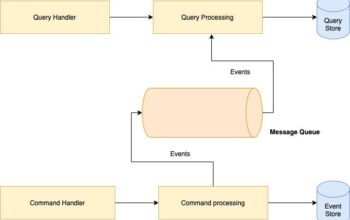
In the world of data ecosystems, an Operational Data Store (ODS) functions like the backstage of a theater — where lights are adjusted, scripts are reviewed, and every detail is fine-tuned before the curtain rises. It doesn’t hold the spotlight like a data warehouse, nor does it make instant decisions like transactional systems. Instead, the ODS serves as that critical in-between space — a near-real-time staging area where data is harmonized, cleansed, and shaped for performance.
For organizations looking to close the gap between operational transactions and analytical insights, the ODS becomes the quiet enabler of agility. Much like a conductor ensuring every instrument is in tune before the orchestra performs, it ensures that downstream systems — from reports to dashboards — receive timely, accurate, and synchronized information.
1. The Pulse Between Transaction and Insight
Imagine a hospital emergency room where doctors rely on constantly updated patient information — test results, medication histories, and admission data. If updates lag by even a few minutes, decisions could be delayed, outcomes affected. The ODS works the same way in data architecture: it synchronizes operational data in near-real time so that business processes can react almost as fast as the events themselves occur.
While data warehouses might update in nightly batches, an ODS refreshes in minutes or seconds. It captures incremental changes from multiple source systems — ERP, CRM, POS — cleans them, standardizes formats, and stores them temporarily for immediate analytical access. In many data analyst course modules, this concept is taught as the middle layer of modern data integration, balancing transaction speed with analytical depth.
In essence, the ODS converts the chaos of multiple operational systems into a single heartbeat of reliable, near-live data — ensuring that insight is never more than a few moments behind reality.
2. Architecture: The Flow Beneath the Surface
Visualize the ODS as a flowing river that gathers water from many tributaries before merging into a calm, clear lake — the data warehouse. Each tributary represents a source system contributing streams of operational data. But before reaching the lake, the river filters out debris, sediments, and inconsistencies.
The architectural design of an ODS involves:
- Extraction of data from multiple operational sources.
- Transformation that cleanses and aligns data formats, often using lightweight ETL or ELT processes.
- Loading into the ODS for near-real-time access, sometimes leveraging technologies like Kafka, Spark Streaming, or AWS Kinesis.
What makes an ODS unique is its short-term retention — data isn’t meant to live here long. It stays just long enough to be validated, aggregated, or joined before being pushed onward to data warehouses or consumed by reporting systems.
Professionals pursuing a data analysis course in pune often learn that an ODS forms the foundation for real-time dashboards and decision engines, allowing organizations to respond instantly to trends, anomalies, or opportunities.
3. From Latency to Velocity: The Real-Time Revolution
Business agility today depends not just on knowing what happened, but on knowing it now. The ODS makes that possible. For example, a retailer tracking daily sales can see spikes in demand as they occur, not hours later. A logistics firm can reroute shipments instantly when a delivery hub reports a delay.
This near-real-time responsiveness transforms business operations from reactive to proactive. Instead of waiting for data warehouse reports generated overnight, analysts and managers can act on streaming data consolidated in the ODS. It becomes a velocity layer — ensuring decisions flow as smoothly as the data itself.
As learners explore system integration modules in a data analyst course, they encounter this principle of reducing latency between data creation and consumption. The ODS embodies that reduction, delivering data that’s not just accurate — but alive.
4. Data Quality: The Unsung Hero of the ODS
While speed is essential, precision is sacred. An ODS is not just a conduit of data; it’s a guardian of integrity. Every incoming record undergoes a cleansing ritual — duplicates removed, timestamps verified, formats standardized, and referential integrity maintained.
This ensures that when data flows downstream, it does so with trust embedded in every byte. For example, imagine financial transactions being aggregated from multiple banking systems. Without an ODS enforcing validation, discrepancies could propagate, leading to flawed insights or compliance risks.
The ODS acts as a real-time data quality checkpoint, ensuring consistency before data reaches analytical repositories or decision engines. It’s not glamorous work, but it’s the foundation upon which every accurate report stands.
5. The Evolving Role of ODS in Modern Architectures
The traditional ODS is evolving rapidly. With the rise of cloud-native architectures, the ODS is no longer confined to relational databases. It now resides within streaming data pipelines, microservices, and event-driven frameworks.
Modern ODS implementations are lightweight, scalable, and often deployed on platforms like Snowflake, Azure Synapse, or Databricks. They support real-time analytics, API-based access, and even machine learning preprocessing.
This transformation aligns perfectly with the goals of those enrolling in a data analysis course in pune, where learners are exposed to the intersection of data engineering, analytics, and automation — skills crucial to designing the ODS of the future.
Conclusion: The Quiet Power of Near-Real-Time Readiness
In a data-driven enterprise, the ODS may not command attention like a data lake or machine learning model, but its impact is unmistakable. It’s the silent engine that harmonizes operational chaos into structured readiness — ensuring that every decision, report, and strategy rests on a foundation of timely truth.
To master this orchestration is to master the flow of data itself. Whether one is studying through a data analyst course or architecting large-scale systems, understanding the role of the ODS means recognizing that data value doesn’t begin in the warehouse — it begins in the moments right before it.
The Operational Data Store is not just a staging area; it’s the pulse that keeps the data ecosystem alive and responsive. It’s where immediacy meets integrity — and where the future of agile decision-making quietly begins.
Business Name: ExcelR – Data Science, Data Analyst Course Training
Address: 1st Floor, East Court Phoenix Market City, F-02, Clover Park, Viman Nagar, Pune, Maharashtra 411014
Phone Number: 096997 53213
Email Id: enquiry@excelr.com