Bills to pay in USA can be overwhelming, but fear not – there are strategies to stay on top of your financial obligations. Start by creating a detailed budget and tracking all your expenses. Prioritize bills by due date and amount, ensuring essential services are covered first. Setting up automatic payments can also help avoid late fees and maintain good credit. Mastering the art of managing bills is key to financial stability in the bustling landscape of the United States.

Bills to Pay in the USA: A Detailed Guide to Managing Your Finances
Welcome to our comprehensive guide on the various bills you may encounter and have to pay in the United States. Managing your finances can be overwhelming, especially when you have multiple bills to keep track of each month. In this article, we will break down the different types of bills you may have to pay, offer tips on how to stay organized, and provide insights on managing your expenses effectively. Let’s dive in!
Understanding Your Bills
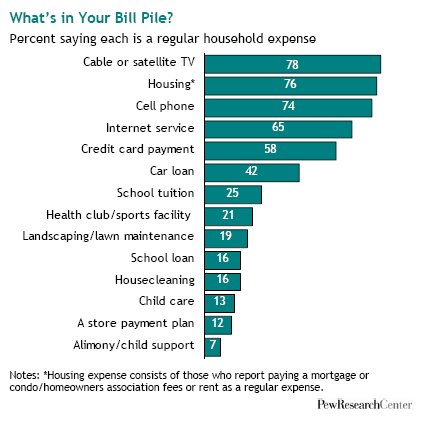
Before we delve into specific types of bills, it’s crucial to understand the concept of bills and why they are essential. Bills are regular payments that individuals or households make to cover various expenses, such as housing, utilities, transportation, and more. By paying your bills on time, you ensure that essential services are maintained, and you avoid late fees or disruptions in service.
Types of Bills You May Encounter
Here are some common types of bills you may come across in the USA:
1. Utility Bills
Utility bills encompass services like electricity, water, gas, and trash collection. These bills are typically recurring and vary based on your usage. It’s essential to monitor your utility consumption and look for ways to conserve energy to reduce your bills.
2. Rent or Mortgage Payments
Rent or mortgage payments are major expenses for most individuals or families. Rent is typically paid monthly, while mortgage payments can be monthly or bi-weekly, depending on your loan terms. It’s crucial to prioritize these payments to ensure you have a roof over your head.
3. Insurance Premiums
Insurance is another critical expense that includes health insurance, car insurance, home insurance, and more. These premiums can vary based on your coverage levels and deductibles. It’s essential to review your insurance policies regularly to ensure you have adequate coverage at a reasonable cost.
4. Transportation Costs
Transportation costs include expenses related to owning a car, such as gas, maintenance, insurance, and registration fees. If you use public transportation, you may have monthly passes or fares to budget for. Managing transportation costs efficiently can help you save money.
5. Credit Card Payments
If you have credit card debt, you will need to make monthly payments to avoid high-interest charges and maintain a good credit score. It’s vital to pay more than the minimum amount due whenever possible to reduce your overall debt.
Tips for Managing Your Bills
Now that you understand the types of bills you may encounter, here are some tips to help you manage your expenses effectively:
1. Create a Budget
Start by creating a monthly budget that outlines your income, expenses, and savings goals. Having a clear picture of your finances can help you allocate funds for bills and other necessities.
2. Prioritize Essential Bills
Make sure to prioritize essential bills like rent, utilities, insurance, and transportation costs. By paying these bills first, you ensure that your basic needs are met before allocating funds to other expenses.
3. Set Up Automatic Payments
Consider setting up automatic payments for recurring bills to avoid missing due dates and late fees. Many banks offer online bill pay services that can simplify the process of paying bills each month.
4. Monitor Your Spending
Track your spending regularly to identify areas where you can cut back or save money. Look for opportunities to reduce discretionary expenses and reallocate those funds towards bills or savings.
5. Build an Emergency Fund
It’s essential to have an emergency fund to cover unexpected expenses like medical bills or car repairs. Aim to save at least three to six months’ worth of living expenses in a separate savings account.
In conclusion, managing your bills in the USA requires careful planning and organization. By understanding the different types of bills you may encounter, prioritizing essential expenses, and following the tips outlined in this guide, you can effectively manage your finances and stay on top of your bills each month. Remember, financial responsibility is key to achieving long-term stability and peace of mind. Take control of your finances today and pave the way for a secure financial future!
We hope this guide has been helpful in navigating the world of bills to pay in the USA. If you have any questions or need further assistance, feel free to reach out. Here’s to financial success and a brighter financial future!
Americans Are Paying Bills With Credit Cards Because Of INSANE Cost Of Living
Frequently Asked Questions
What are the common types of bills to pay in the USA?
In the USA, common bills include rent or mortgage payments, utilities such as electricity, water, and internet, insurance premiums, credit card bills, and healthcare expenses.
How can I ensure that I pay my bills on time?
To ensure timely payment of bills, you can set up automatic payments through your bank or the service provider’s online payment system. Additionally, creating a budget and setting reminders for due dates can help you stay organized.
What should I do if I am struggling to pay my bills?
If you are facing difficulty in paying your bills, it is essential to contact the service providers or creditors immediately. Many companies offer payment plans or assistance programs to help individuals in financial distress.
Can late bill payments affect my credit score?
Yes, late bill payments can negatively impact your credit score. It is important to pay your bills on time to maintain a good credit history, as lenders often consider payment history when evaluating creditworthiness.
Final Thoughts
In conclusion, managing bills to pay in the USA requires careful organization and timely payments. Prioritize essential bills like rent, utilities, and insurance to avoid late fees and disruptions in service. Utilize budgeting tools and automatic payments to stay on top of your finances. Remember, staying proactive and informed about your financial obligations is key to maintaining financial stability in the USA.