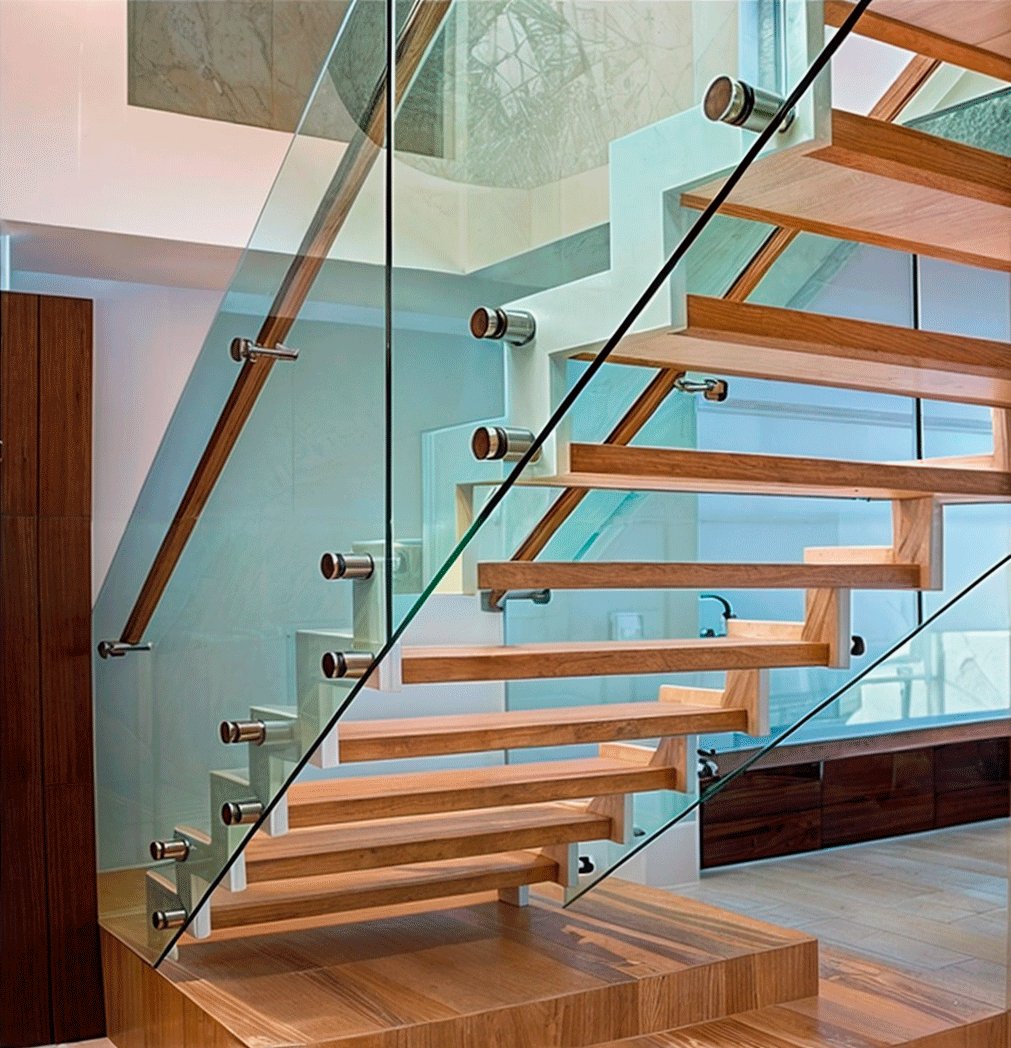
A handrail is not just a functional element of a staircase; it is a crucial safety feature that provides support and stability. Picture this: you’re climbing a flight of stairs, confidently gripping the smooth handrail as you ascend. The sleek design complements the space while ensuring a secure journey. Whether curved or straight, wooden or metal, the handrail adds a touch of elegance to any architectural setting. Ready to explore the diverse world of handrails and their impact on both aesthetics and safety? Let’s delve into the fascinating realm of handrails together.

The Importance of Handrails: A Comprehensive Guide
Handrails are an essential part of any building or structure. They serve a vital role in providing support, safety, and comfort to individuals as they navigate stairs, ramps, and other elevated surfaces. In this detailed guide, we will explore the significance of handrails, their various types, materials, installation processes, and maintenance tips.
Why Handrails Matter
Imagine walking up a flight of stairs without anything to hold onto for support. It can be a daunting and risky experience, especially for children, elderly individuals, or those with mobility challenges. Handrails offer a sense of security and stability, helping prevent accidents and providing peace of mind.
Additionally, handrails are crucial for compliance with building codes and regulations. Authorities mandate the installation of handrails in public buildings and residential properties to ensure accessibility and safety for all occupants. Failure to comply with these requirements can lead to legal consequences and pose significant risks to the occupants.
The Different Types of Handrails
Handrails come in various types, each serving specific purposes and aesthetic preferences. The most common types include:
1. Wall-Mounted Handrails
Wall-mounted handrails are attached directly to the wall, providing support alongside staircases or corridors. They are ideal for narrow spaces and can complement the existing décor of the building.
2. Post-Mounted Handrails
Post-mounted handrails are supported by vertical posts that are attached to the ground or the structure. They are commonly used outdoors, such as on decks, balconies, or ramps, offering stability and durability in open spaces.
3. Continuous Handrails
Continuous handrails run seamlessly along a series of posts or walls, ensuring a smooth and uninterrupted grip for users. They are often seen in commercial buildings, hospitals, and public areas with high foot traffic.
Materials Used for Handrails
Handrails can be crafted from various materials, each with its unique characteristics, durability, and maintenance requirements. Common materials used for handrails include:
1. Wood
Wood handrails are popular for their natural beauty, warmth, and versatility. They can be stained, painted, or polished to match the interior design of any space. However, wood handrails may require regular maintenance to prevent warping or rotting.
2. Metal
Metal handrails, such as wrought iron, stainless steel, or aluminum, offer durability and strength. They are often chosen for their modern look, low maintenance requirements, and ability to withstand harsh weather conditions. Metal handrails can be customized to fit various design preferences.
3. Glass
Glass handrails provide a sleek and contemporary aesthetic, allowing for unobstructed views and enhanced light transmission. They are commonly used in modern buildings, shopping malls, and upscale residences. However, glass handrails may require regular cleaning to maintain their transparency and appearance.
Installing Handrails: A Step-by-Step Guide
Proper installation of handrails is crucial to ensure their functionality and safety. Here is a step-by-step guide for installing handrails:
1. Measure and Plan
Begin by measuring the length and height where the handrail will be installed. Ensure compliance with local building codes and regulations regarding the height, distance from the wall, and grip diameter of the handrail.
2. Select the Handrail Type and Material
Choose the appropriate handrail type and material based on the location, design preferences, and budget. Consider factors such as durability, maintenance, and aesthetics when making your selection.
3. Prepare the Surface
If installing a wall-mounted handrail, locate the wall studs for secure attachment. For post-mounted handrails, ensure the posts are securely anchored to the ground or structure. Prepare the surface by sanding, painting, or sealing as needed.
4. Install the Handrail Brackets
Attach the handrail brackets to the wall or posts using screws and anchors. Make sure the brackets are level and securely fastened to provide adequate support for the handrail.
5. Mount the Handrail
Place the handrail onto the brackets and secure it in place using screws or bolts. Ensure the handrail is level, sturdy, and properly aligned with the slope of the stairs or ramp for comfortable grip and support.
Maintaining Handrails for Longevity
Regular maintenance is essential to ensure the longevity and effectiveness of handrails. Here are some tips for maintaining handrails:
1. Clean Regularly
Wipe down handrails with a damp cloth or mild soap solution to remove dirt, dust, and grime. For metal handrails, consider using a metal polish to maintain their shine and prevent corrosion.
2. Inspect for Damage
Periodically inspect the handrails for any signs of damage, such as loose screws, cracks, or rust. Address any issues promptly to prevent accidents and ensure the safety of users.
3. Repair and Refinish
If you notice any damage or wear on the handrails, repair or refinish them as needed. Replace damaged components, repaint or reseal wooden handrails, and remove any sharp edges or splinters to maintain a safe and attractive appearance.
Handrails are more than just functional accessories; they are essential components of safe and accessible buildings. Whether in homes, commercial spaces, or public areas, handrails play a crucial role in providing support, preventing accidents, and enhancing the overall aesthetic appeal of the environment. By understanding the importance of handrails, choosing the right type and material, following proper installation procedures, and maintaining them regularly, you can ensure the safety and well-being of all occupants. Remember, a secure handrail can make all the difference in creating a comfortable and welcoming space for everyone.
Amazon Metal Handrail Installation Instructions / Guide: Metty Metal Stair Rail
Frequently Asked Questions
What materials are commonly used for handrails?
Handrails are typically made from a variety of materials including wood, metal, stainless steel, and PVC. The choice of material often depends on factors such as durability, aesthetics, and maintenance requirements.
Are handrails required by building codes and regulations?
Yes, handrails are required by building codes and regulations in most jurisdictions, especially in public buildings and areas where there are stairs or ramps. These regulations are in place to ensure safety and accessibility for all individuals.
How should handrails be installed for optimal safety?
To ensure optimal safety, handrails should be securely mounted to the wall or structure, with proper spacing and height according to building codes. It’s important to use appropriate hardware and follow installation guidelines to prevent accidents and ensure stability.
Final Thoughts
Handrails are essential safety features in any building. They provide support and guidance, especially for individuals with mobility issues or children. Proper installation and maintenance of handrails can prevent accidents and ensure a secure environment. Remember, a sturdy handrail can make all the difference in preventing slips and falls. Prioritize the safety of yourself and others by ensuring handrails are in place and in good condition.