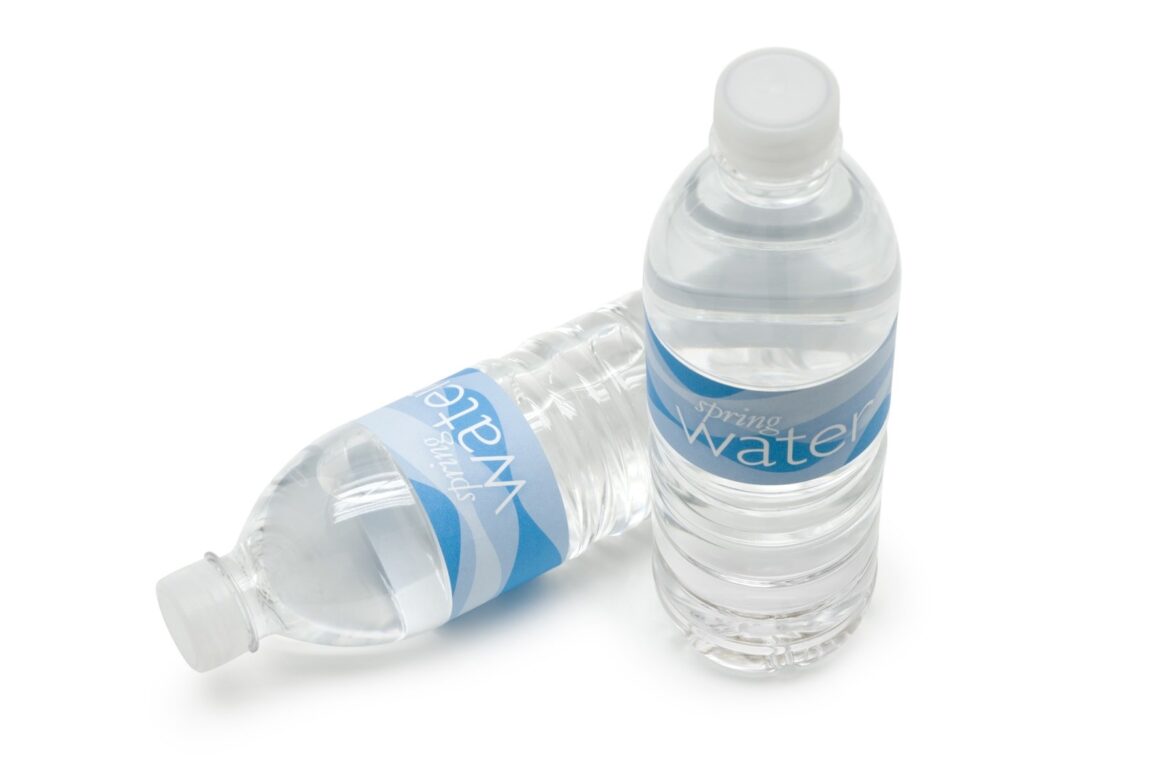
Plastic water bottles, a convenient choice for hydration on-the-go. Yet, the environmental impact they carry cannot be overlooked. These single-use bottles contribute to the growing plastic waste crisis worldwide. With a lifespan of up to 450 years, a single plastic water bottle takes centuries to decompose. As consumers, we hold the power to make a difference by opting for reusable alternatives. Let’s explore the journey of the ubiquitous plastic water bottle and its lasting consequences on our planet.

The Incredible World of Plastic Water Bottles
Welcome, dear readers, to a fascinating journey into the world of plastic water bottles! In today’s modern age, these convenient containers have become a staple in our daily lives, offering hydration on the go and a quick quench for our thirst. Let’s dive into the depths of plastic water bottles and uncover the many facets of these ubiquitous items.
The History of Plastic Water Bottles
To truly appreciate the significance of plastic water bottles, we must first understand their origins. Plastic water bottles as we know them today trace their roots back to the mid-20th century, when advancements in plastic manufacturing revolutionized the packaging industry. The convenience and portability of plastic bottles quickly captured the hearts of consumers worldwide, leading to their widespread adoption.
The Different Types of Plastic Water Bottles
Not all plastic water bottles are created equal. There are several types of plastics commonly used in the production of water bottles, each with its own unique properties. The most common types include PET, HDPE, and LDPE, each offering varying levels of durability and recyclability.
PET (Polyethylene Terephthalate)
PET is the most widely used plastic in the production of water bottles. Known for its lightweight and transparent nature, PET bottles are commonly used for single-serve beverages. While PET is recyclable, it is important to properly dispose of these bottles to ensure they are recycled and not end up in landfills or oceans.
HDPE (High-Density Polyethylene)
HDPE is a more rigid type of plastic commonly used in larger water bottles. Its sturdy construction makes it ideal for reusable bottles that can withstand multiple uses. HDPE bottles are easily recyclable and are a more sustainable option for those looking to reduce waste.
LDPE (Low-Density Polyethylene)
LDPE is a flexible and lightweight plastic often used in squeezable water bottles. While not as commonly used as PET or HDPE, LDPE offers unique advantages in certain applications. It is important to check with local recycling facilities to ensure proper disposal of LDPE bottles.
The Environmental Impact of Plastic Water Bottles
While plastic water bottles offer convenience, their widespread use has raised concerns about their environmental impact. The production, transportation, and disposal of plastic bottles contribute to pollution and waste, harming ecosystems and wildlife. As responsible citizens of the planet, it is crucial to consider the environmental implications of our choices and seek sustainable alternatives.
Health Considerations of Plastic Water Bottles
Plastic water bottles have come under scrutiny for their potential health risks, particularly related to chemicals such as BPA (bisphenol A) and phthalates. These substances, found in some plastics, have been linked to various health issues, prompting consumers to seek BPA-free and phthalate-free alternatives. When choosing a plastic water bottle, it is essential to look for labels indicating safety standards and opt for bottles free from harmful chemicals.
The Advantages of Using Plastic Water Bottles
Despite the environmental and health concerns associated with plastic water bottles, they offer several advantages that cannot be overlooked. Plastic bottles are lightweight, convenient, and easily portable, making them ideal for on-the-go hydration. Additionally, the affordability and wide availability of plastic water bottles make them accessible to people of all walks of life.
Sustainable Practices with Plastic Water Bottles
As we strive to be more conscious consumers, there are steps we can take to minimize the negative impact of plastic water bottles on the environment. One such practice is to opt for reusable plastic bottles made from durable materials like HDPE. By investing in a reusable bottle and refilling it with tap water, we can reduce our reliance on single-use plastics and decrease waste.
Recycling and Upcycling Plastic Water Bottles
Recycling is a key component of responsible waste management, and plastic water bottles are no exception. When disposing of plastic bottles, it is essential to rinse them out and place them in the recycling bin to ensure they are properly processed. Additionally, creative individuals have found innovative ways to upcycle plastic bottles into art, household items, and even clothing, giving these containers a new lease on life.
In conclusion, plastic water bottles are complex items that offer both convenience and challenges. By understanding the history, types, environmental impact, health considerations, advantages, and sustainable practices associated with plastic water bottles, we can make informed decisions as consumers. Remember, even small changes in our habits can have a significant impact on the world around us. Let’s raise a reusable water bottle to a future that is both hydrated and sustainable!
Are BPA-Free Plastic Water Bottles Really Safer For Your Health? | Talking Point | Full Episode
Frequently Asked Questions
What are some common concerns associated with using plastic water bottles?
Common concerns related to plastic water bottles include environmental impact due to plastic waste, potential health risks from chemicals leaching into the water, and the sustainability of using single-use plastic containers.
How can I reduce the environmental impact of using plastic water bottles?
To reduce the environmental impact of plastic water bottles, consider using reusable water bottles made from materials like stainless steel or glass, recycling plastic bottles properly, and supporting initiatives that promote plastic waste reduction and recycling.
Are there any alternatives to using plastic water bottles?
Yes, there are sustainable alternatives to plastic water bottles such as stainless steel water bottles, glass bottles, or BPA-free reusable plastic bottles. These alternatives help reduce plastic waste and minimize environmental harm.
Final Thoughts
In conclusion, it is crucial to address the environmental impact of single-use plastic water bottles. Their production contributes to pollution, harming wildlife and ecosystems. Switching to reusable alternatives can significantly reduce waste and protect our planet. Let’s all make a conscious effort to minimize our use of plastic water bottles and opt for sustainable choices. Together, we can make a positive difference for the environment and future generations.